WHITE RABBIT LABS

FOR RESEARCH PURPOSES ONLY · Not for human or animal consumption

Explore White Rabbit

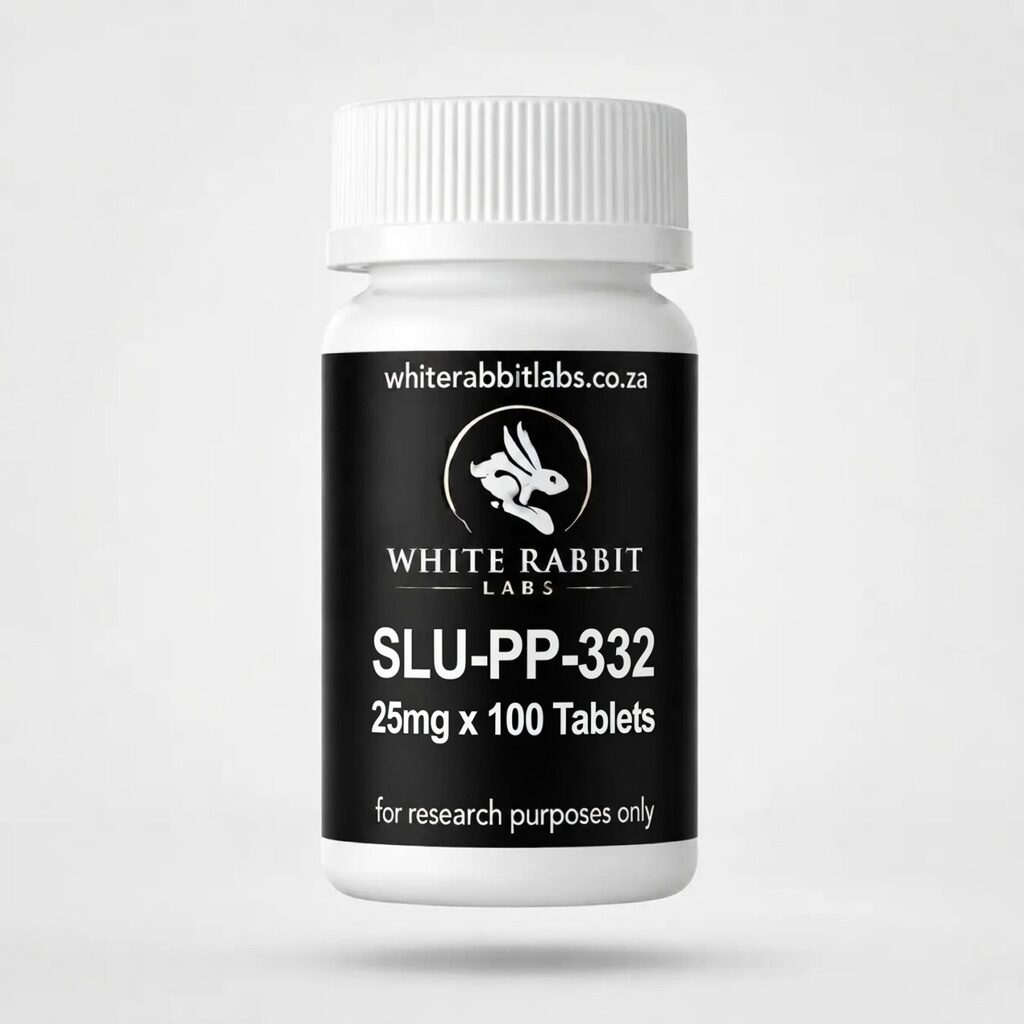
SLU-PP-332 25mg 100 Tablets

Out of stock

R2 500,00

Out of stock

Description

SLU-PP-332 (CAS 303760-60-3) is a synthetic small-molecule acyl hydrazone (IUPAC: 4-hydroxy-N’-[(E)-naphthalen-2-ylmethylidene]benzohydrazide; formula C₁₈H₁₄N₂O₂; molecular weight ~290.3 g/mol). It is not a peptide.

It acts as a pan-agonist of the three estrogen-related receptors (ERRα/NR3B1, ERRβ/NR3B2, and ERRγ/NR3B3), orphan nuclear receptors that function as key transcriptional regulators of mitochondrial biogenesis, oxidative phosphorylation, and fatty-acid oxidation (in concert with coactivators such as PGC-1α). Reported EC₅₀ values in cell-based reporter assays are approximately 98 nM (ERRα), 230 nM (ERRβ), and 430 nM (ERRγ).

In published preclinical studies (primarily mouse and cell models from the Burris laboratory and collaborators):

• It induces an ERRα-dependent acute aerobic exercise genetic program in skeletal muscle.

• It increases type IIa oxidative muscle fibers, mitochondrial respiration markers, and exercise endurance (sedentary mice showed roughly 45–70% longer treadmill running time/distance after short-term intraperitoneal dosing).

• In diet-induced and genetic obesity models it increased energy expenditure and fatty-acid oxidation while reducing fat-mass accumulation and improving glucose tolerance, without altering food intake.

All data are from cell-culture and rodent studies. There are no published human clinical trials, no approved indications, and limited pharmacokinetic data. The original developers have noted that SLU-PP-332 itself has poor oral bioavailability; later analogs (e.g., SLU-PP-915) were developed to address this.

Intended use: Laboratory research and analytical reference only.

Not for human consumption, therapeutic use, or veterinary use.
What It Is

SLUPP is a lab-made synthetic small molecule — NOT a peptide — with the chemical name 4-Hydroxy-N-[(Z)-naphthalen-2-ylmethylideneamino]benzamide (formula C₁₈H₁₄N₂O₂, ~290 g/mol). Developed by researchers at Saint Louis University (hence “SLU”) and advanced at the University of Florida (Thomas Burris lab), it is the first potent pan-agonist of estrogen-related receptors (ERRα, ERRβ, and ERRγ). It was designed to turn on the same metabolic “exercise switches” that endurance training activates in your muscles and mitochondria — essentially an “exercise mimetic in a pill”.

How It Works

Think of SLU-PP-332 as a molecular “personal trainer” that tells your cells “you just ran a marathon” — even while you’re sitting still.

How it works

  • Binds and activates ERRα/β/γ (nuclear receptors that control energy genes).
  • Boosts mitochondrial biogenesis and function, ramps up fatty acid oxidation, and shifts muscle fibers toward endurance type.
  • Increases whole-body energy expenditure without affecting appetite or causing you to move more.
Observed Benefits

• Fat loss and metabolic health — obese mice lost 12% body weight and gained 10× less fat over 1 month (same food intake).
• Endurance & performance — mice ran 45–70% longer and 50% farther; heart muscle strengthened.
• Better insulin sensitivity & glucose control — counters metabolic syndrome features.
• Muscle preservation & mitochondrial boost — potential help for age-related muscle loss or heart failure models.
• Bonus signals: reduced inflammation and possible kidney/heart protection in specific models.
In short: It mimics the metabolic upside of endurance exercise (fat burning, energy production, mitochondrial upgrades) without the workout.

Possible Side Effects

In all published mouse studies, SLU-PP-332 showed an excellent short-term safety profile with no severe toxicities reported.

In preclinical work: No major organ damage, no appetite changes, no obvious behavioral issues.

Theoretical/mild concerns (from reviews and anecdotal gray-market reports):
• Possible mild GI discomfort or energy fluctuations (unconfirmed).
• ERRγ activation could theoretically affect heart muscle long-term (one review notes cardiac hypertrophy risk in other contexts, but not seen here).
• Unknown human effects — no data on liver, kidney, hormones, or long-term uuse.
• Not for pregnancy, heart conditions, or anyone without medical supervision.
Bottom line: Clean in mice so far, but we have no idea how it behaves in people — this is the most experimental compound we’ve covered.

Reconstitution, Dosage and Cycling (Research Only)

There are no official guidelines because it has never been tested in humans — everything below is from mouse studies or anecdotal reports from unregulated research-chemical vendors.

Typical “research” dose (oral capsules or injection — strictly preclinical/anecdotal):

  • Vendor/anecdotal human protocols: 5-20mg per day. Start low at 5mg and then titrate up.

Cycling (anecdotal only):

  • 4–12 weeks “on,” then 4+ weeks off.
  • Often used daily with no formal cycling in gray-market reports.
Fun Facts

• True “exercise in a pill” pioneer — it literally flips the same genetic switches that endurance training does, without you breaking a sweat.
• Not actually a peptide — despite what some shady vendors claim; it’s a tiny synthetic organic molecule (no amino acids!).
• Mice became marathoners — treated normal mice ran 70% longer and 45% farther; obese ones melted fat like they’d been training daily.
• ERR family power — targets “orphan” receptors discovered decades ago that control mitochondria — the first drug to hit all three subtypes effectively.
• Heart failure hope — separate mouse studies showed it restored heart function with almost no muscle loss..

Citations and Sources
  1. Billon et al. (2023) ACS Chemical Biology: First description — SLU-PP-332 induces ERRα-dependent aerobic exercise response and enhances exercise capacity in mice.
    2. Billon et al. (2023) Journal of Pharmacology & Experimental Therapeutics: Synthetic ERR agonist alleviates metabolic syndrome — obese mice lost 12% weight, gained 10× less fat, increased energy expenditure and fatty acid oxidation.
    3. University of Florida News (2023): Summary of weight loss and endurance results; next steps discussed (pill formulation, more animal testing).
    4. Wang et al. (2023) American Journal of Pathology: ERR agonism reverses mitochondrial dysfunction and inflammation in aging kidney (related mechanism).
    5. Eissa et al. (2025) Universal Journal of Pharmaceutical Research: Minireview of SLU-PP-332 and ERR agonists for metabolic regulation and therapeutic potential.
    6. Nasri (2024) Journal of Renal Endocrinology: Discusses weight-loss potential and indirect kidney protection; no significant side effects in studies.
    7. Wikipedia / PubChem entries (2026): Chemical structure confirmation and summary of preclinical work.
    8. Multiple 2025–2026 vendor/research summaries (e.g., Lotilabs, Peptides.org): Note strictly research chemical status with no human trials.
    9. LinkedIn/Dr. Matt Kaeberlein commentary (2025–2026): Warns against off-label use due to lack of human safety/efficacy data.
    10. New Atlas / IFLScience (2023–2024 updates): Popular science coverage of the “exercise pill” mouse results.


Our Take

SLU-PP-332 is one of the coolest “sci-fi” metabolic compounds in early research — a genuine step toward pharmacological exercise benefits — but right now it’s strictly lab-only with zero human proof. Have a look at our energy stack article.

Disclaimer

Important disclaimer upfront: SLU-PP-332 is NOT approved by the FDA (or any major agency) as of 2026. It remains strictly a preclinical research chemical with zero published human trials — all data come from mouse studies. It is not legally available for human use; any capsules or powders sold online are unregulated gray-market products with unknown purity and carry serious contamination or legal risks. It is banned by WADA. Long-term safety and effectiveness in humans are completely unknown. Always talk to a doctor — this is not medical advice.