What It Is
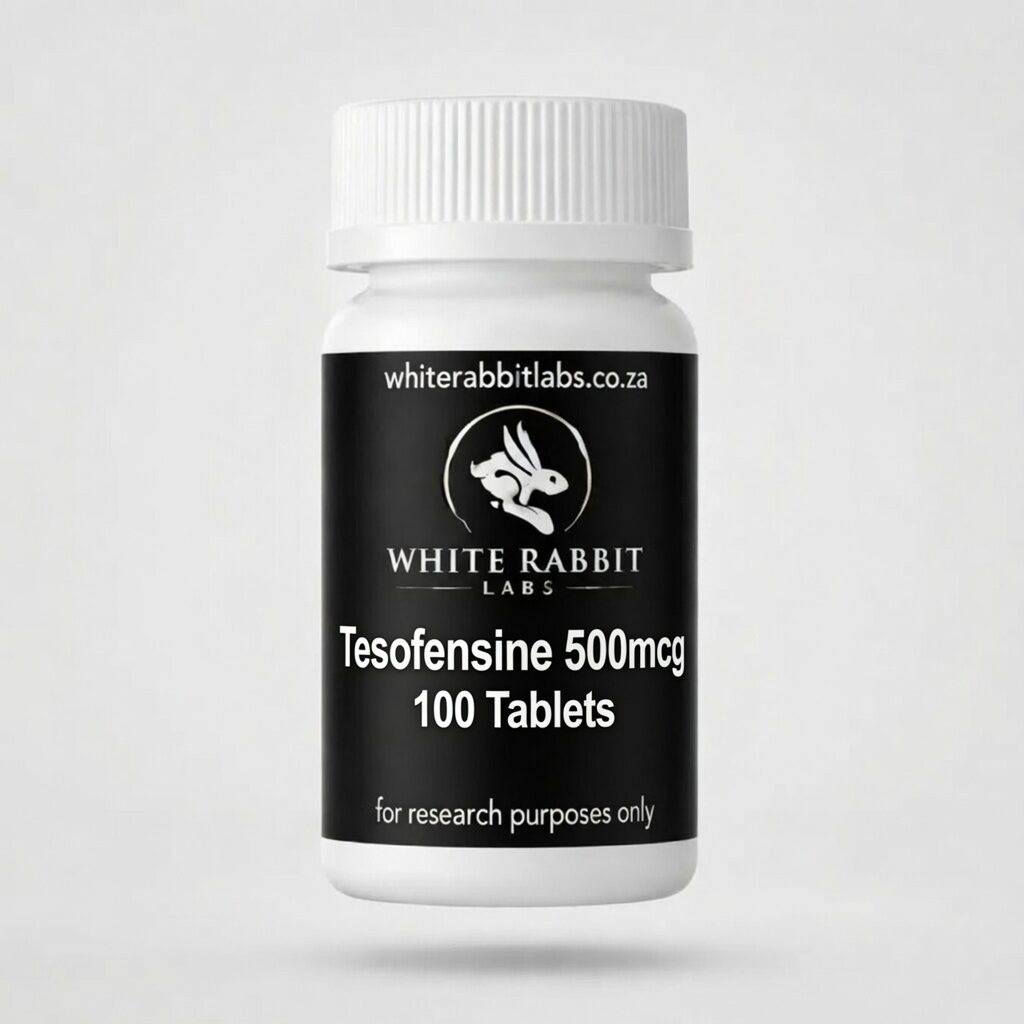
Tesofensine is a lab-made synthetic small molecule a potent triple monoamine reuptake inhibitor that blocks the presynaptic reuptake of norepinephrine, dopamine, and serotonin in the brain. Originally developed in the early 2000s for neurodegenerative diseases (Parkinson’s and Alzheimer’s), it was repurposed for obesity after early trials revealed dramatic appetite suppression and weight loss effects.
How It Works
Mechanism of action: ADHD treatment:
Think of ADHD like a car with a leaky fuel tank — your brain runs low on two key “focus fuels”: dopamine and norepinephrine. These chemicals help you pay attention, finish tasks, stay motivated, and control impulses. When they’re too low or get cleared out too fast, focusing feels impossible.
Here’s how tesofensine helps:
Tesofensine gently blocks the “recycling trucks” that normally sweep these fuels away too quickly.
Result? More dopamine and norepinephrine stay active in the exact part of your brain that controls attention and self-control.
That’s why many people notice:
• Sharper focus and concentration (less zoning out)
• Easier time starting and finishing tasks
• Less mental fog and distractibility
• Better motivation and mental clarity
Mechanism of Action: Weight-Loss
Think of tesofensine as a “triple-threat appetite and metabolism controller.” It boosts key brain chemicals to reduce hunger and increase energy use without directly affecting gut hormones like GLP-1 drugs.
How it works (super simple):
• Inhibits reuptake of norepinephrine, dopamine, and serotonin → higher levels in synapses.
• This enhances satiety signals, reduces food cravings, and slightly increases resting energy expenditure.
Observed Benefits
See Above.
Possible Side Effects
Tesofensine has a notable side-effect profile (mainly cardiovascular and stimulant-like) that contributed to stalled development for general obesity. These were experienced at higher doses +1mg.
Common:
- Dry mouth, insomnia, nausea, constipation, or headache.
- Increased heart rate (4–8 bpm) and mild blood pressure rise (especially at 1 mg).
- Not for people with uncontrolled hypertension or heart disease.
Reconstitution, Dosage and Cycling (Research Only)
Typical dose (oral capsule, once daily):
• Research/trial range: 0.5 mg (0.5 mg showed the best balance of efficacy and tolerability).
• Taken in the morning (to minimize insomnia).
Cycling:
• In research settings: 12 weeks, then reassess; no formal “off” cycles established.
Tip: Always under medical supervision with blood pressure and heart rate monitoring. Start low if ever studied in a trial context.
Fun Facts
- Parkinson’s repurposed — originally for brain diseases; weight loss was an unexpected “side effect” that became the main focus.
- Triple threat — the only drug that meaningfully hits all three monoamines (dopamine, norepinephrine, serotonin) for appetite control and ADHD treatment.
- Phase 2 superstar — one of the strongest oral weight-loss results ever recorded before GLP-1 drugs arrived.
- Not a peptide — a small synthetic molecule.
- Orphan potential — FDA granted designations for Prader-Willi and hypothalamic obesity.
- 2026 status — still investigational but with active trials in niche obesity — could be one of the next oral options if CV issues are managed.
Citations and Sources
Human data is strongest from Phase 2 obesity trials (2008–2010 era); newer focus is on rare diseases.
1. Astrup et al. (2008) The Lancet Phase 2 RCT: 203 obese patients; 0.5 mg daily led to ~11.3 kg loss (vs ~2 kg placebo) over 24 weeks; dose-dependent effects.
2. Tucson Wellness MD dosing guide (Feb 2026): 0.5 mg daily as optimal balance; higher doses (1 mg) increase side effects like insomnia and heart rate.
3. ScienceDirect overview (updated 2026): Triple reuptake inhibitor; strong Phase 2 weight loss but cardiovascular signals halted broad development.
4. Swolverine tesofensine review (Aug 2025): Mechanism, benefits, and trial results; investigational status confirmed.
5. HealthOn journal (Mar 2025): Not yet FDA-approved; promising frontier but cardiovascular hurdles remain.
6. Oreateai clinical summary (Feb 2026): Phase 3 trials ongoing/explored; 0.5 mg daily in focus for balanced efficacy.
7. The Peptide Catalog trials update (2026): 2025–2026 developments include resumed Phase 2a for Prader-Willi (Tesomet combo).
8. Seek Peptides overview (Dec 2025): ~10.6% weight loss at 1 mg; stalled due to heart rate/BP increases. 
9. PMC / Perez et al. (2024): GABAergic silencing mechanism in hypothalamus contributes to appetite suppression.
Our Take
We tried it and we feel it. This is why tesofensine is popular with people who want both weight management AND better daily focus — all from one product. Results vary person to person, and it’s always smart to chat with your doctor before starting anything new
Disclaimer
Important disclaimer upfront: Tesofensine is NOT approved by the FDA (or any major agency) as of 2026 for obesity or any use. It remains strictly investigational. Development for general obesity stalled after Phase 2 due to cardiovascular concerns, though Phase 2 trials continue (or have resumed) for specific orphan indications like Prader-Willi syndrome and hypothalamic obesity. It is banned by WADA. Always talk to a doctor — this is not medical advice.